Routine cleaning of a cast-iron skillet does not involve the seasoning process. The seasoning process requires a few extra steps; however, your oven does most of the work.
If a skillet has not been used in some time, the oil may have seeped deeper into the pores and become rancid. Cleaning and seasoning the cast iron skillet will ensure it is ready to use again.
Cast Iron Cleaning Supplies
When cleaning a cast-iron skillet after each use, a plastic scraper and hot water may be all you need. If you have cooked something greasy, dish soap may be needed.
The deep cleaning and seasoning process is a little different. Follow this short step-by-step guide to get your cast iron skillet back into shape.
Paper Towels
Paper towels are used to coat the pan with vegetable oil after it has been cleaned and dried.

- Pack contains 16 Family Rolls of Bounty white Quick Size Paper Towels
- More sheets, more tasks in every roll* *vs. Bounty Double Plus
- More absorbent so you can use less vs. leading ordinary brand
- Picks up messes quicker vs. leading ordinary brand
- With Quick Size rolls you can choose your sheet size based on the size of your mess.
Dish Soap
Dish soap is used to clean the cast-iron skillet.
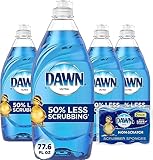
- Contains 3x more grease-cleaning power (cleaning ingredients per drop vs. The leading competitor's non-concentrated brand)
- Concentrated formula helps you get through more dishes with less dishwashing liquid
- Original Scent. 50% Less Scrubbing
- Comes with 2-pack of Dawn sponges
- Dawn Ultra Dishwashing Liquid Dish Soap Refill, Original. Usage instructions-Do not add bleach. Not for use in dishwashers
Vegetable Oil
Vegetable oil is used to coat the cast-iron skillet after it has been cleaned and dried.
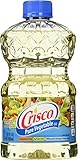
- A cholesterol free food
- 0 grams trans fat per serving
- Light taste, never greasy
- A cholesterol free food
- 0 grams trans fat per serving
Copper Scrubber
A copper scrubber sponge is used to deep clean the skillet. Alternatively, you can use a plastic scraper or steel wool. Steel wool, however, can be too harsh and you must be careful. A copper scrubber sponge is the #1 recommendation for this task.

Kitchen Towel
A kitchen towel is used to dry the cast-iron skillet before it is seasoned.

- 100% OEKO-TEX COTTON: Durable, high quality Oeko-Tex cotton terry produces a thick, absorbent towel to assist with all your household chores. These terry dishcloths are made of 100% Oeko-Tex certified cotton, meaning this product surpasses the highest standard of testing and helps you to make responsible decisions which protect our planet for future generations.
- SOFT & ABSORBENT: These thirsty dish cloth kitchen towels are designed with a popcorn terry construction to soak up water quickly. The dishcloths are highly absorbent and great for drying, cleaning, scrubbing, or achieving any other household task.
- CARE FOR YOUR DISHCLOTHS: This kitchen towel set is machine washable and dryer safe for easy care. Our premium cotton is long-lasting and durable for many washes. These dishcloths are a sustainable alternative to paper towels.
- SET OF EIGHT VALUE PACK: Collection includes 4 solid-colored dishcloths and 4 classic stripe dishcloths available in a variety of rich colors to coordinate with any kitchen décor. Pair with our larger kitchen towels for a complete kitchen towel and dishcloth set.
- GIFT: Decorated with charming, chic packaging, these towels make a great hostess, wedding, birthday, college, apartment essentials or housewarming gift.
Cleaning And Seasoning Cast Iron Skillet
Cleaning the cast-iron skillet only requires a few minutes of your time. The seasoning process is a little lengthy, but the oven does the work. This cleaning and seasoning process is completed in three easy steps.
Step One: Wash Skillet Using Hot Soapy Water
Using the dish soap, make hot soapy water for cleaning the skillet. Use the copper scrubber sponge to thoroughly clean the skillet.
Scrub inside and out, removing old oil and paying special attention to any sticky spots. After scrubbing, rinse thoroughly and dry the skillet with your kitchen towel.
- Pro Tip: Do not worry about scrubbing vigorously unless you are using steel wool. The skillet is going to be seasoned afterward and low maintenance cleanings can resume.
Step Two: Coat Skillet Using Vegetable Oil
Using a paper towel, coat the skillet evenly with vegetable oil, both inside and out.
- Pro Tip: Lard or bacon grease may be used. Each has its advantages and is considered a southern tradition.
Step Three: Season Skillet Using Oven
The hard work is done. Save the rest of your elbow grease for the next household chore.
Preheat your oven to 325 degrees. Place the cast-iron skillet upside down in the oven. Bake the cast-iron skillet for one hour and turn off the oven.
After turning off the oven, do not remove the skillet. Leave it to cool naturally in the oven.
This process takes a few hours, but you are free to do other things throughout the process. Expect the kitchen to get a little smoky during this process.
Once completed, your skillet will be cleaned, seasoned, and ready to use.
- Pro Tip: Lining the bottom of your oven with aluminum foil catches all the oil drippings.
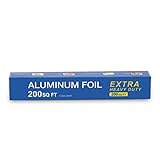
- This package includes one roll of superior extra heavy duty aluminum foil with total 200 SQ FT (15 inches wide by 160 feet long) with 30% thicker more than regular heavy duty tin foil.
- This superior extra heavy duty aluminum foil is about 30% thicker than reguler heavy duty aluminum foil and about 2 times thickness of regular standard aluminum foil. If you want to feel the thickness, you just kindly double wrap with your standard aluminum foil (tin foil) in your kitchen.
- Varieties of Using Methods: Great for outdoor grilling or lining inside of oven. Ideal for home use or food service such as lining pans when roasting or for wrapping or covering food when baking, storing leftovers, or reheating. This superior extra heavy duty aluminum foil helps to protect pans and makes cleanup a breeze.
- Easy to Use: The large superior extra heavy duty foil comes in a sturdy corrugated box with a metal cutter for easy dispensing.
- Easy Cleaning: After wrapping or cooking, just throw out this superior extra heavy duty tin foil and save yourself from cleaning works.
Final Thoughts
Cast-iron skillets are low maintenance and easy to clean. People are typically cautious about the way they clean them between uses.
These skillets are different than other types of skillets. Deep cleaning only comes into play when the skillet needs to be seasoned again.
FAQ: Cleaning and Seasoning A Cast Iron Skillet
Cast-iron skillets are known for their non-stick surfaces and turning out flavorful foods. They are well-known for their deep-frying capabilities. Cooking fatty foods regularly increases the need for deep cleaning and seasoning.
How often should you deep clean and season a cast-iron skillet?
On average, people typically clean and season a cast-iron skillet once a year. If cooking fatty foods often, you may have to do this process twice or even three times a year. If the skillet is only used for baking, the seasoning can last several years.
What signs do I look out for to know it is time to deep clean and season a cast-iron skillet?
While cast-iron skillets are known for their non-stick surfaces, food particles are occasionally going to stick; however, they typically rinse off easily. If you notice food starting to stick more often, it is time to deep clean and season your cast iron skillet.
Can you season a cast-iron skillet too much?
Cast iron is low maintenance, and the deep cleaning and seasoning process should only be undertaken when necessary. Additionally, the use of too much oil during the seasoning process causes the surface to become sticky. If this occurs, you would need to repeat the cleaning and seasoning process.
What happens if you do not season a cast iron skillet properly?
The seasoning process not only gives a cast-iron skillet its non-stick surface but also maintains a stain and rust-free cooking surface.
Do I need to season a brand-new cast-iron skillet?
Most new cast iron skillets are already seasoned and ready for use. Be sure to look at the packaging and inquire about a skillet in question if you are planning to make a purchase.